
Ethical aspects of rose quartz mining

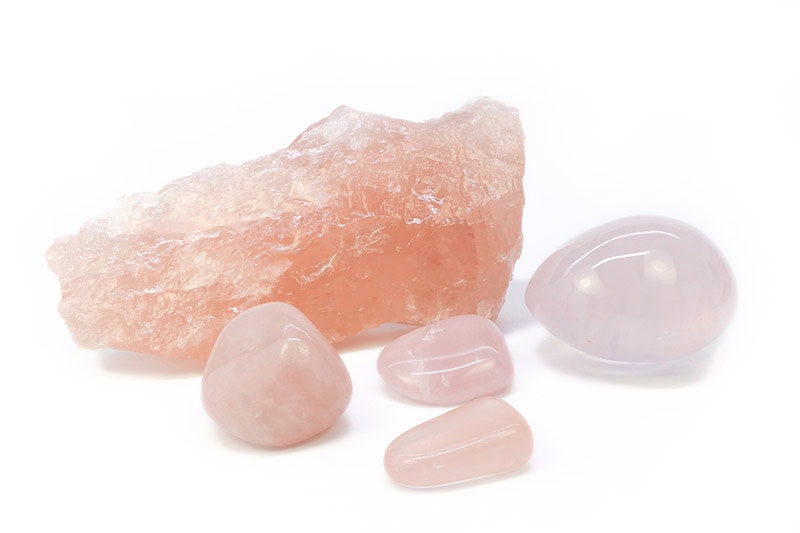
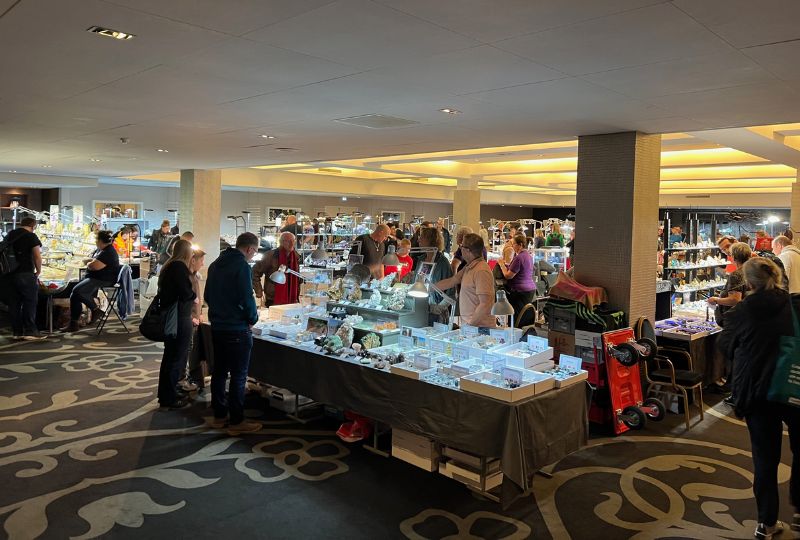
On Monday, February 10, 2025 the consumer TV program Radar (Dutch) paid attention to the conditions under which rose quartz is mined and processed in Madagascar (you can watch the item back here). Among other things, it also showed hidden camera footage taken at the mineral show in Rijswijk (Nertherlands) where sellers were asked about the origin of their rose quartz. The broadcast caused a variety of reactions within the industry: for some, this information was new, while most were already familiar with the issue.
This article provides a concise overview of the provenance, working conditions and sustainability of this popular gemstone, with a focus on Madagascar and other key deposits. In addition, this article highlights the nuance of both the specific situation in Madagascar and the broader context relative to global mining activities. This helps to better understand the complex dynamics of the sector and put the impact of gemstone mining in perspective.
The original Feb. 7 article was updated Feb. 16, 2025, in response to the discussion generated by the broadcast.
Export of rose quartz from Madagascar
Rose quartz is a popular gemstone mined worldwide, with Madagascar as one of the major producers. Specific data on the export quantities of rose quartz from Madagascar are limited. In 2023, the total export value of gemstones from Madagascar was approximately $159 million, with China being the largest buyer and the Netherlands ranking 6th with $605,000. Although rose quartz is not among Madagascar’s top export products (those are still textiles and agricultural products), it is an important product for the local economy.
In Brazil and India, export figures for rose quartz are even more difficult to track because it is often traded as part of larger gemstone flows. Namibia has relatively small amounts of rose quartz production, but benefits from better regulations that promote traceability and responsible trade.
The mining and trading of rose quartz in Madagascar, like many other raw materials, involve several ethical challenges. These include working conditions, environmental impact and transparency in the supply chain. Although rose quartz received a lot of attention in the Radar broadcast and subsequent discussion, it is important to put it in a broader context. The gemstone industry is only a small part of the overall mining industry in Madagascar and globally. The impact of gemstone mining cannot be compared to the large-scale mining of ores and other resources essential for modern technology and the energy transition.
Yet this does not mean that as enthusiasts and sellers of gemstones, we have no responsibility. Awareness about the origin and conditions under which minerals are mined remains essential. By learning about the origins of your stones and making transparent choices, you contribute to a more responsible trade.
Working conditions
In Madagascar, the mining of rose quartz and other gemstones is primarily carried out by informal miners, also known as Artisanal and Small-Scale Mining (ASM). These small-scale operations are often not officially registered and operate without formal permits or regulation. Although exact figures are lacking, a significant portion of gem mining in the country is carried out by these informal miners. They often work under harsh and unsafe conditions, without access to adequate safety equipment or health care, and receive low wages. In addition, in some cases children are employed in the mines, leading to concerns about child labor. The lack of regulation and oversight complicates transparency in the supply chain of these gems.
In addition to mining, some processing of rose quartz takes place in Madagascar, in workshops where workers cut, grind and polish the stones. This is often done in poorly ventilated rooms without adequate personal protective equipment, leading to exposure to fine quartz dust. Inhalation of this dust can pose serious health risks, such as silicosis, a lung disease caused by inhaling crystalline silica.
The wages of miners and gem grinders in Madagascar are typically between $2 and $3 per day. This seems extremely low from a Western perspective, but it is important to place this within Madagascar’s broader socioeconomic context. About 90% of the population lives on less than $2 a day, which means that wages in the gem industry are in some cases just above the national subsistence level.
Madagascar relies heavily on agriculture, fishing and forestry, sectors that account for more than 25% of Gross Domestic Product (GDP) and employ 80% of the population. In many of these sectors, wages are at similar or even lower levels than in mining. Although working conditions in gem mining are often harsh and unsafe, the chance of a slightly higher income compared to other sectors may be a reason for some workers to remain active in this industry.
This situation shows that the discussion of low wages is complex: although mining wages are low, they partly reflect the overall economic conditions of the country. This highlights the importance of structural improvements in the sector, such as fair trade initiatives and investment in better working conditions.
In other major rose quartz producing countries such as Brazil, India and Namibia, conditions are variable. Brazil has both large-scale regulated mines and small-scale artisanal mining, with working conditions varying greatly from region to region. Working conditions in Brazil have improved in recent years, however, partly due to strikes by miners demanding wage increases, such as in the amethyst mines. India produces rose quartz mainly as a by-product and has a less visible but sometimes similarly problematic informal sector. Namibia has a better-regulated mining sector with stricter labor standards, so conditions there tend to be better than in Madagascar and India.
It is important to recognize that importing gems from these countries can also contribute to economic development and improvement of working conditions. Fair trade and investment in local communities can lead to better wages and working conditions for miners. Initiatives by the European Commission and wholesalers and sellers can play a role here. By investing in safer working conditions, better materials and infrastructure locally, they contribute to positive change within mining communities. This highlights how conscious choices by consumers and traders can help gradually improve the situation in the gemstone industry.
Environmental impact
Unregulated mining practices in Madagascar lead to deforestation, soil erosion and water pollution. These activities threaten not only the important agricultural industry, but also special biodiversity and disrupt fragile ecosystems. Without adequate environmental measures, these impacts can cause long-term damage. Moreover, research indicates that mineral mining cannot be “sustainable” by definition because it leads to irreversible changes in the landscape and the extraction of non-renewable natural resources.
In other countries, the environmental impacts of mining vary. In Brazil, mining in the Amazon has led not only to deforestation, but also to loss of biodiversity, contamination of water sources and health risks for indigenous communities. In India, critical mineral extraction results in significant environmental costs, including greenhouse gas emissions, biodiversity loss and pollution. Namibia has stricter environmental regulations and conservation initiatives, but even there communities have taken legal action to block mining projects that pose threats to local ecosystems and wildlife, such as the critically endangered black rhino.
These examples illustrate that while regulations and enforcement may vary, mining activities worldwide have significant environmental impacts that must be carefully managed to protect both the environment and local communities.
Ethical and sustainable mining: a complex challenge
Although many gem and mineral providers use terms such as “sustainable” and “ethical,” researchers and critics stress that the mining industry cannot be fundamentally sustainable or fully ethical. After all, minerals are extracted from the earth and are non-renewable resources, meaning that their extraction always has an ecological impact. Although responsible mine management and environmental safeguards can mitigate the damage, the extraction of gemstones remains environmentally damaging.
In addition, the concept of ethical mining is problematic because it is difficult to define and monitor. In Madagascar, there is little oversight of labor rights and environmental responsibility, while in Namibia and certain parts of Brazil, more regulations exist to ensure ethical practices. In India and informal mines in Brazil, compliance with ethical standards remains a challenge due to small scale and unclear supply chains.
There are small-scale initiatives that strive for ethically responsible and fair-trade mining, such as the Fair Trade Minerals & Gems e.V. (FTMG). These organizations are committed to better working conditions, fair wages and environmentally friendly mining practices within the gem industry. Yet the impact of these types of initiatives on the global gemstone industry remains limited for now, as the market is still dominated by large-scale mining companies and informal mining practices. Moreover, the effectiveness of these initiatives depends on stricter regulations from governments and the willingness of consumers and businesses to make sustainable and ethical choices.
Supply chain transparency
It is often challenging for wholesalers, sellers and enthusiasts to obtain full transparency about the origin and conditions under which rose quartz and other gemstones were mined. The complexity of the supply chain, lack of effective certification systems, inadequate monitoring and enforcement, and competitive pressures complicate this process.
With the enactment of the General Product Safety Regulation (GPSR) in December 2024, traceability within the supply chain of products, including gemstones such as rose quartz, is not only an ethical responsibility but also a legal obligation for sellers. This requires increased awareness and commitment within the gemstone trade.
The Dutch government also expects entrepreneurs to identify the risks to people and the environment in their business operations as well as in the international value chain. They must also prevent and address their negative consequences and communicate about them. This process is called due diligence and is based on the OECD guidelines for corporate social responsibility.
However, the terms “reliable supplier” or “responsible partner” are relative and depend on context and control mechanisms. Does a Dutch wholesaler who sources his stones from Madagascar have direct insight into the working conditions on site? But even a supplier closer to the source cannot automatically guarantee transparency. The key question remains: how do you verify this?
For companies and traders, this means asking critical questions and actively working toward transparency. This can be done by:
- Support initiatives that promote fair wages and safe working conditions.
- Consciously choose suppliers who are open about provenance and who make demonstrable efforts to ensure ethical standards.
- To ask for documentation such as export licenses and sustainability statements.
- Build direct relationships with mining communities and verify for themselves where the rocks come from.
The impact of responsible trade
Such collaborations between international traders and local mining communities can contribute to improved working conditions, fair wages and environmentally responsible mining practices. By making conscious choices and investing in better working practices, traders and consumers can actually make a difference.
Yet it remains essential to remain realistic about the limitations of the gem industry’s influence. While conscious trade can contribute to positive change, the scale of the sector remains small compared to the broader mining industry. This means that structural improvements depend on a combination of conscious trade, legislation, monitoring and economic developments in producing countries.
Consumers and traders contribute to this by being critical of what they buy and from whom they buy. Awareness and transparency are key to ethical gemstone trading.
Conclusion
The mining of minerals, including gemstones such as rose quartz, raises significant ethical and environmental issues worldwide. In Madagascar, rose quartz is only a small part of the overall mining industry, driven primarily by exports of industrial raw materials such as titanium, iron ore, nickel, bauxite and cobalt. Nevertheless, it is important to consider the conditions under which this type of popular gemstone is mined and traded.
Although the gem industry is only a niche market within the broader mining sector, this does not mean that trading in it is exempt from responsibility. Supply chain transparency remains a challenge due to the lack of certification systems, effective regulation and enforcement. Entrepreneurs are expected to exercise due diligence in line with the OECD Guidelines for Corporate Social Responsibility. In addition, the entry into force of the GPSR in 2024 makes traceability for (products of) gemstones a legal requirement. But the question remains to what extent these laws and regulations can be effectively enforced.
Conscious trade and responsible extraction can contribute to better working conditions and environmental protection, but structural improvements require cooperation between traders, governments and consumers. Governments play a crucial role in regulating and enforcing sustainable mining practices. Stricter legislation and effective controls are needed to combat abuses in the sector. In addition, working conditions and wages remain a complex issue. Wages in gem mining in Madagascar are low, but must be placed in the broader socioeconomic context of the country. Although work in mining is dangerous and unpredictable, for some workers it can offer an opportunity for a slightly higher income than in other sectors such as agriculture and fishing. This makes it all the more important to look at realistic and achievable improvements in working conditions and safety measures, rather than a focus on wages alone.
While fair trade and ethical initiatives can have a positive impact, the question is to what extent it is at all possible to extract gemstones completely sustainably and ethically. This highlights the need for critical awareness and transparency within the industry. It is important to note that consumers worldwide are increasingly willing to pay extra for fair trade products. Whether the same is true for ethically sourced and more sustainably sourced gemstones is unknown. Moreover, the implementation of such certifications in the gem industry remains complex, limiting the availability of certified fair trade gemstones.
For wholesalers and vendors, it is essential to critically examine supply chains and strive for greater transparency and responsible business practices. This means not just relying on suppliers who claim to be “trustworthy” or “ethical,” but actively seeking evidence and documentation that supports these claims. Certification and regulation in the gem industry are limited, leaving the concept of “ethical trade” vague and subject to different interpretations by region and company.
Consumers also play a role by being aware of the complexity of this market. Rather than blindly relying on terms such as “sustainable” and “ethical,” which are often used without clear definition in other sectors as well, it is important to look critically at the provenance and impact of the products they buy. This requires realistic expectations and an open dialogue about the challenges within the gem trade and broader commodity markets.
Finally, it remains important to put this discussion in context. The Radar broadcast focused on rose quartz, but this is only one of many minerals and gemstones mined worldwide under a variety of conditions. In addition, the impact of mining gemstones such as rose quartz is disproportionate to the large-scale extraction of ores and materials that are crucial to modern technology and the energy transition. Moreover, we must recognize that in these kinds of discussions we often use our Western standards when assessing working conditions and wages in countries like Madagascar, where the economic and social realities are dramatically different. This does not mean that abuses should be ignored, but rather that a broader perspective is needed when assessing ethical and sustainable mining. That being said, every sector, no matter how small, should strive for more responsible and sustainable practices. Awareness, transparency and critical choices are key here. Delve into where your rocks come from and make conscious choices. Know what you buy or sell!
As a seller, do you want to be better prepared for these types of questions about provenance and regulations? Then join Stack of Stones’ seller community (for Dutch and Belgian vendors only).
References
Chambers, R. (2021, Sept. 20). The “Healing Crystal” Conundrum. Roseanne Chambers Blog. Translation by K. Bonn, published as “The paradox of powerful crystals” on Oct. 20, 2021 on Gondwana Talks. Accessed February 6, 2025, from https://www.gondwanatalks.com/l/de-paradox-van-krachtige-kristallen
European Commission. (n.d.). Madagascar. International Partnerships. Accessed February 16, 2025, from https://international-partnerships.ec.europa.eu/countries/madagascar_en
European Commission. (2024, Dec. 13). The EU’s General Product Safety Regulation (GPSR): A new era for consumer protection. European Commission – Access2Markets. Accessed February 6, 2025, from https://trade.ec.europa.eu/access-to-markets/en/news/eus-general-product-safety-regulation-gpsr-new-era-consumer-protection
Fair Trade Minerals & Gems e.V. (s.d.). Fair trade mining and ethical sourcing of minerals and gemstones. Accessed February 6, 2025, from https://www.fairtrademinerals.de
Heurman, M. (2021, Aug. 29). The myth of sustainable minerals. Puffins and Pies. Accessed February 6, 2025, from https://puffinsandpies.com/2021/08/29/de-mythe-van-duurzame-mineralen/
OEC (Observatory of Economic Complexity). (2022). Precious Stones – Madagascar. OEC. Accessed February 6, 2025, from https://oec.world/en/profile/bilateral-product/precious-stones/reporter/mdg
Rijksdienst voor Ondernemend Nederland. (s.d.). Madagascar. RVO. Accessed February 16, 2025, from https://www.rvo.nl/onderwerpen/landen-en-gebieden/madagaskar
The Guardian. (2019, Sept. 17). The dark crystal: The brutal reality behind a booming wellness craze. The Guardian. Accessed Feb. 6, 2025, from https://www.theguardian.com/lifeandstyle/2019/sep/17/healing-crystals-wellness-mining-madagascar
Webgate European Commission. (s.d.). Madagascar – Country Profile. European Commission. Accessed February 6, 2025, from https://webgate.ec.europa.eu/isdb_results/factsheets/country/details_madagascar_en.pdf
Wikipedia contributors. (n.d.). Mining industry of Madagascar. Wikipedia, The Free Encyclopedia. Accessed February 16, 2025, from https://en.wikipedia.org/wiki/Mining_industry_of_Madagascar


Responses